The fruits we see
but cannot eat
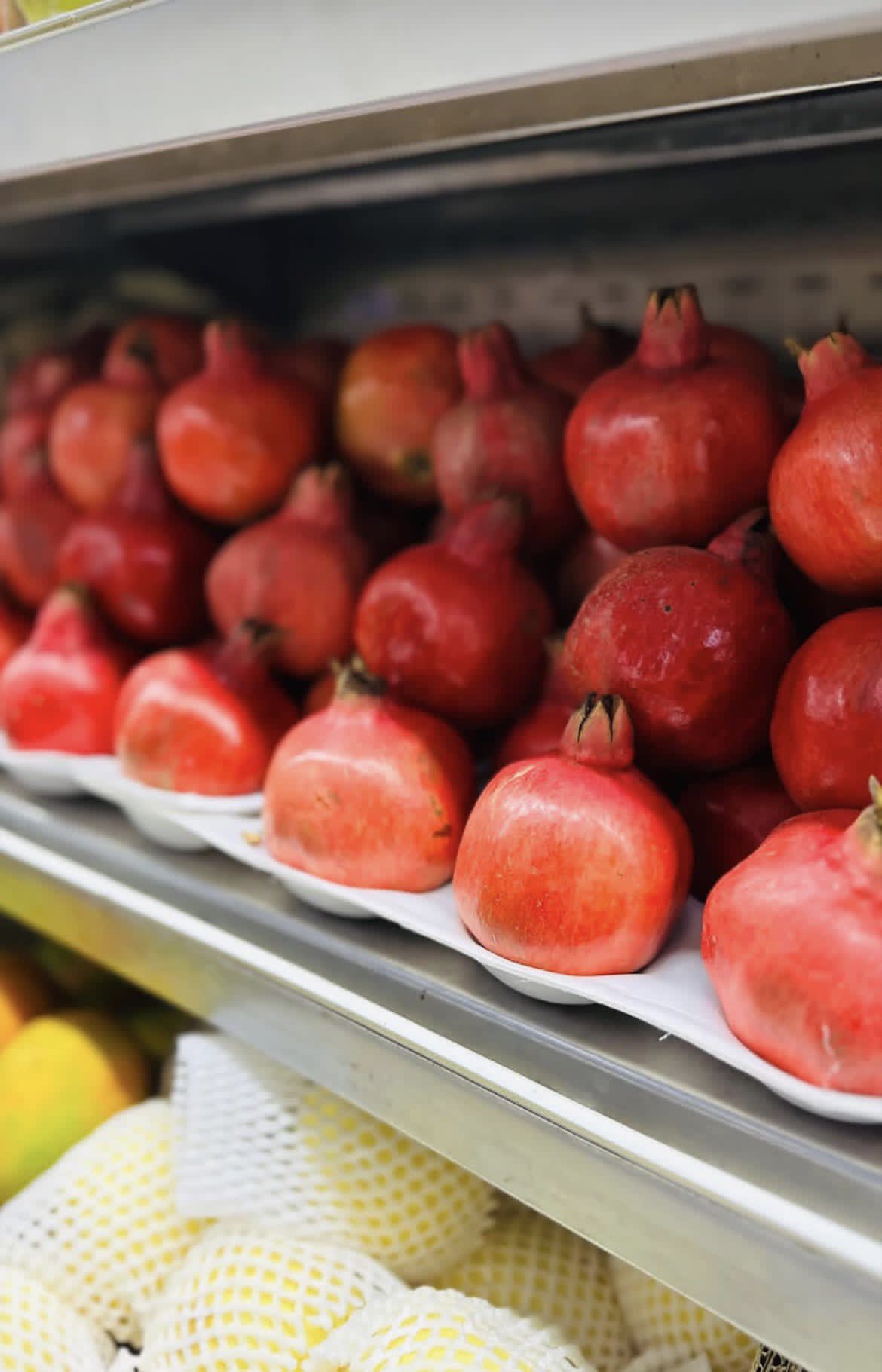
There are simple things in life that have taken on a completely different meaning for us. Fruit is one of them. 🍎🍊🍓
Sometimes we see pictures of fruit on our phones — apples, oranges, strawberries, bananas. Bright colors, ordinary things that most people rarely think twice about. We look at them for a long time, almost as if our eyes are trying to taste what our mouths cannot.
The painful truth is that we are not kept from these foods because they are forbidden or unavailable by choice. Sometimes, we simply cannot afford them.
Under siege, with food becoming scarce, things we once considered ordinary have become luxuries. Even a piece of fruit can become something we have to think carefully about before buying. 🥀
It may seem insignificant to talk about fruit when we are living through something so devastating. But these details matter. They are part of what life under war and deprivation actually looks like.
Genocide is not only the sound of explosions, displacement, fear, and loss. It is also the quiet disappearance of ordinary life — the small things that once made a day feel normal. 🕊️
We are not asking for a luxurious life. We want the ordinary to become ordinary again: to see fruit in a market and be able to buy it, to watch children eat it without worrying about the price, and to have access to nutritious food without treating it as a rare privilege. 🍊🤍
These small details are part of our testimony, too.
Because when we speak about hunger, we are not only speaking about the absence of food.
We are speaking about the loss of an ordinary life — one small thing at a time. 🕯️