Three years
These three years have been deeply etched into our memories, and they will leave their mark on our future as well. Three long years have passed over us like an entire lifetime; years in which we never imagined, at the beginning, that we would have to learn what survival meant day by day, or that simply staying alive would itself become a form of resistance. 🕯️
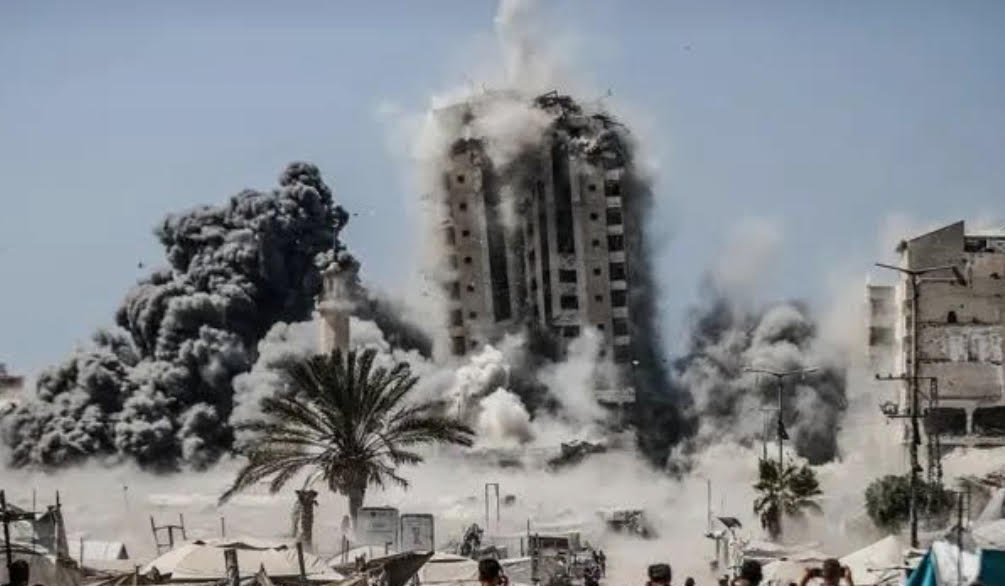
On October 7, I did not know that this day would divide my life into everything that came before it and everything that came after. I did not know that the simple things I once thought were ordinary — our home, our beds, the road to school, my mother's voice calling us, a cold glass of water, a quiet night — would one day become things I longed for, the way a person longs for a homeland they never chose to leave. 🏠💔
Since that day, the meaning of place has changed. A home was no longer simply walls, and a bag was no longer just a bag. Each of us began carrying a home inside our memory, carrying with us whatever we could save from a life that had once seemed so ordinary. 🧳🏚️
We were displaced once, then again, and then again, until the word “return” lost its old meaning. We would leave places believing we would come back soon, only to discover that the road back had disappeared, or that the place itself was no longer what it had been. 🕊️
We grew up amid sounds no child should ever have to grow up with. We learned to recognize sounds from a distance, to count what food was left, to wait for water, and to postpone our own needs because there was always something more urgent. We ran toward water trucks, carrying our empty containers, always searching for a place where food might be served. 💧🥖
As time passed, we no longer measured our days by the calendar. We measured them by the number of times we were displaced, by the days when we found bread, by the nights when we managed to sleep without fear, and by the people we lost whose names remained with us. We measured them by the friends who left this world, while their memories remained hanging inside my heart. 💔🕯️
And yet, we did not disappear.
We kept writing. We kept learning. We kept teaching little children, like my younger brother, who wrote his first letters mixed with the smoke of war. We kept trying to repair whatever could still be repaired. We lived in a harsh present, but carried a small piece of the future inside us, as if we were telling ourselves every morning: there is still another day, and this story is not over yet. 📚✍️🌱
Perhaps this is my story. Not only a story of war, but the story of a person trying to remember who she was, to understand who she has become, and to preserve for our generation and those that come after us the memory of a place they were denied the chance to live in as they deserved. 🌿
I write because I am afraid that war might take even our memories from us.
And I write because I want, one day, to be able to say:
Yes, we passed through here. We were tired, we were afraid, we lost, we were displaced, and we waited for so long… but we remained. 🕊️🤍
And these pages are our trace. ✍️