
Independence which changes nothing is worth nothing
[I wrote this just before the referendum, but didn't publish it then because events overtook it; I think it's worth publishing now for the record]
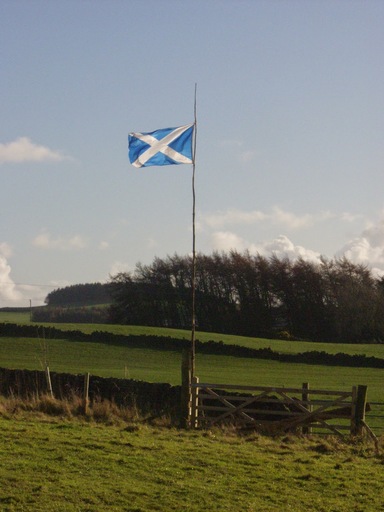
The referendum is upon us. I start this essay with fewer than thirty hours to go before I cast my vote, fewer than fifty before polls close. On Friday morning we will know whether we have indeed risen now, whether we shall be that nation again. I cannot think about it, any longer. It is too stressful. It is time to think past it, to the nation we could become.
The wheelchair users of the Internet
 I know I've banged on about not posting text-as-graphics to the Internet often enough. I know all my friends are bored of me doing it. But this picture, which I've seen for the first time today, makes the point far better than anything I could write could.
For those of you who can't see the image, it's a visual joke: what is called a sight gag. It shows a very expensively built, obviously architect designed, building. All across the front is a flight of steps, leading up to the plinth on which the building stands. And the joke is this: the building is emblazoned with the words 'Wheelchair Foundation'. We take in the dissonance between the sign, and the steps which clearly make it impossible for a wheelchair user to access the building, and we laugh.
Computers have made a wonderfully accessible space for people who cannot see. Screen-reader software intercepts the stream of characters as the computer prints them on the screen, and reads them aloud. No longer do books and newspapers have to be painstakingly transcribed into Braille. Someone who cannot see, can still have access to everything that is available as text to their computer.

Jean Urquhart MSP, one of our excellent crop of independents, has tabled a motion in the Scottish Parliament calling for sanctions against Israel in response to the current crisis in Gaza. In considering how to persuade my constituency MSP, Alex Fergusson, who is that most old fashioned and endangered species, an honourable Tory, to add his name to it, I thought about how I envisage — hope to see — the foreign policy of our reborn nation develop; how it can establish its place and distinctive voice in the world. ** I thought about the history of the Palestine issue, and the United Kingdom's sorry role in it. Appealing to Mr Fergusson, I thought, over the current plight of the Palestinians was unlikely to succeed; presenting that appeal in the context of our responsibility for the construction of the problem and our consequent responsibility to aid in its resolution might do so. Of course, it's highly unlikely I'll succeed in also persuading him to turn from unionism to internationalism, but — with this issue particularly in mind — I think it's worth a try. ** Scotland — our Scotland — really does have a chance to make the whole world a better place.
Dear Alex Fergusson

Dear Russell Brown,
I know that you have never voted against a Labour Party whip, and I think it's highly unlikely that you will now change the habits of a lifetime and vote to for the interests of the people against the interests of the state. However, I feel that, given that this is 'an emergency', it is my duty to try at least to persuade you.
Who bagged Scotland's missing millions?
Excellent post on missing Common Good lands on the Not Just Sheep and Rugby blog: Who bagged Scotland's missing millions? Strongly recommended for anyone interested in land reform.