Helping Gaza
By: Simon Brooke :: 20 July 2026
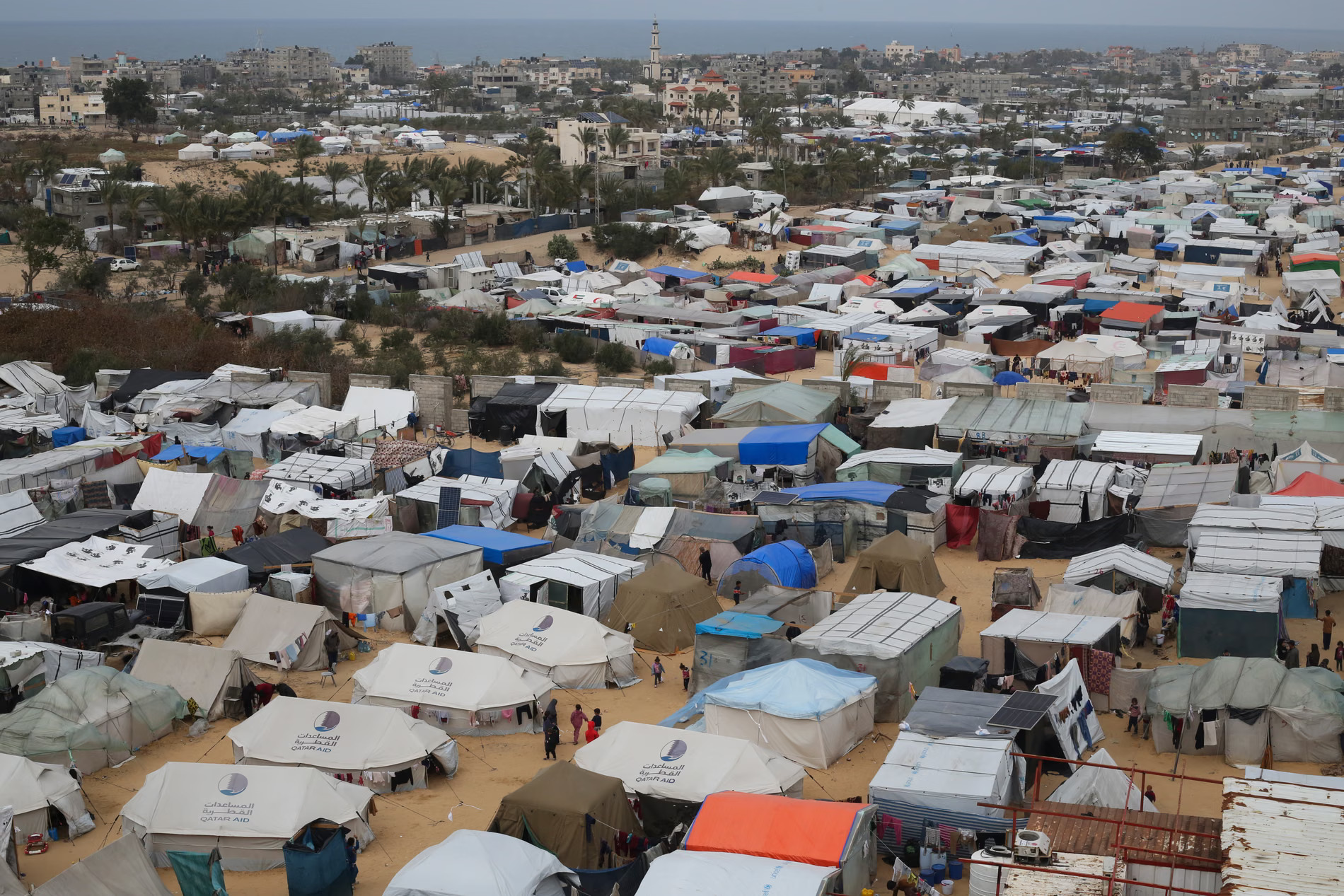
The crisis in Gaza has been ongoing since 1947, if not before. That's (at least) 78 years; a lifetime. More than a lifetime, for people who live under continual oppression and attack.
Why is there a crisis in Gaza? Initially because Zionist terrorists drove Palestinians out from further north in Palestine in a bloodthirsty orgy of ruthless ethnic cleansing. There really is no pretty way to say this. The claim that the truly atrocious treatment of Jews by the Nazis and other regimes in Europe led to the the truly atrocious treatment of the people of Palestine by Zionists may have some explanatory force, but it has no justificatory force: evil may lead to evil, but does not excuse evil.
Since this enormous initial atrocity, there have been further atrocities on both sides; but, although attacks against civilians in either direction are inexcusable, the scale of death, suffering, rape, damage and destruction wrought by Israel on Gaza is orders of magnitude worse than the other way. Yes, there's wrong on both sides. But there is by no means equal wrong on both sides.
But we are where we are. The crisis in Gaza is now at an extraordinary, catastrophic and very likely existential intensity.
So how can we in the West, who want to help, help?
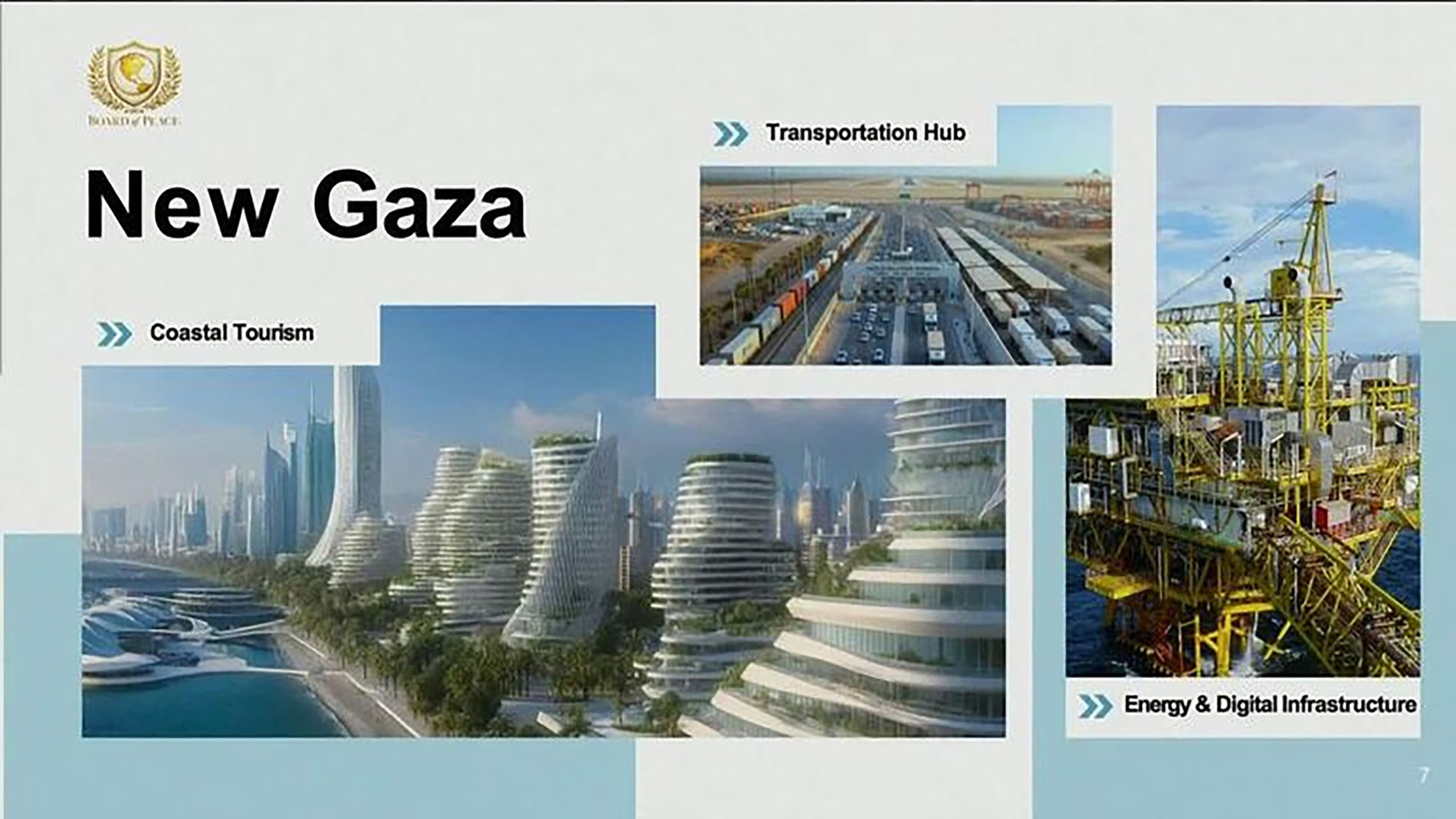
The current government of Israel does not want Palestinians in Palestine. It speaks openly of genocide, of deliberate extermination. Donald Trump covets Gaza's beach front real estate. Neither plan leaves any room for the present population.
Israel is not actively pursuing mass extermination, at least not yet; but the nightly bombing raids, the daily shootings, the constant drones, the shattered health system, and most of all the severe shortage of food means that they do not have to. The morale of the population, the will to survive, is being broken; more and more people are fading into depression, helplessness, apathy. And hunger is weakening them, making them more vulnerable to disease.
Organised charities which had been feeding destitute people in Gaza are ceasing or have ceased to do so, whether because of Israeli obstruction or because of shortage of funds. Mothers are unable to feed their babies. Children, once bright and healthy, are thin and listless. The diseases of the old go untreated. A truly shocking proportion of the men have crippling injuries, many obviously deliberately caused, for example by shooting people in the legs.
At the same time, people cannot leave. Israel has imposed an impassable barrier all around Gaza. It is under siege. Passage for a single person through the remaining crossing points costs of the order of ten thousand US dollars, which for an impoverished and indebted population is impossible money. And, in any case, safe nations do not want to take them.
To apply for a visa for the UK, for example, a refugee first has to go to a biometric enrolment centre to have a biometric identity record created. Of course, there is no such centre in Gaza. The centres are in countries which the UK considers safe. But here's the trick, the catch 22: if you're in a country which the UK considers to be safe, you are not eligible to apply for a refugee visa to the UK.
Giving is necessary
I've been giving to people on the ground in Gaza for more than a year now. Inevitably, the people I'm choosing to support are among the most vulnerable of those who are able to reach me. Of course, the very most vulnerable people in Gaza can't reach me. They lack skill in western languages; they lack access to the Internet.
Without the monetary donations of ordinary people like me, more people in Gaza would be dying now. But giving money into a market with a limited supply of food is undoubtedly contributing to inflation. Israel is deliberately, as an act of policy, controlling the supply of food into Gaza to prevent the population having sufficient nutrition. So there isn't enough food in the markets; so the prices rise to soak up what money the population has.
And that is precisely why I'm supporting the most vulnerable people I can reach: even in this crisis, there is sharp wealth disparity in Gaza. Criminal gangs, smugglers, have money. Militias have money. Landowners — who can rent out land in tiny patches on which to pitch a tent — have money. If it were not for donations, it is only those people who would eat.
But, realistically, the people I am supporting have little real chance of survival, unless either they can be evacuated safely, or a just and stable peace can be achieved.
The population of Gaza is about two and a half million people, less than half a percent of the population of Europe. They're an exceptionally well educated people. Europe could absorb them. Europe would benefit from them. But Europe won't. And the Israelis would be unlikely to let them go; the last thing they want is a large, organised population of Palestinians lobbying the politicians of countries Israel depends on as allies.
So the prospect of evacuation looks slim, at best. Equally, Israel has no interest in a just peace; and Israel's allies are not prepared to try to impose or enforce a just peace. So a just peace is very unlokely to happen — unless we can produce huge political change across the West. Perhaps we can. I wrote about reasons to believe we might in Reasons to be cheerful. But even if we can, it will take time, and I'm not persuaded we have time.
This morning, one of the people from Gaza whom I rate most highly has sent me an email in which she expresses despair. She and her family have been subsisting on a diet of za'atar — wild herbs with sesame grains — for weeks; they're hungry. Despair is now epidemic across the strip. Morale has been falling for months. More and more people are falling into chronic malnourishment. I worry about a whole population that is losing hope.
Giving isn't enough
We cannot support Gaza by uncoordinated voluntary donations alone. Not enough people are donating, and we cannot reach all the people who need support. Also, the mechanisms by which we get money into Gaza are vulnerable to being shut down by banking authorities over which there is very limited democratic control.
We don't seem to be able to get much aid into Gaza by organised charities. Israel treats any effective aid effort as terrorism, and shuts it down. And, again, not enough people donate: World Central Kitchen has cut food aid in Gaza for want of funds.
Just keeping people alive in tents on the beach is not enough anyway. While there is no stable peace. the people of Gaza cannot rebuild their homes — even it Israel would allow building materials in — because Israel would just bomb them flat again.
Political action is essential
So in the end, only political action can resolve this situation. If the West can put enough pressure on Israel to force it to withdraw to its 1949 borders and negotiate a just and stable peace with all its neighbours — Palestine, of course, but also Lebanon, Syria, Jordan and Egypt — then that would be the best possible outcome; but it seems extremely unlikely.
And a just peace really does have to mean that Israel must pay full reparations, not only for the loss of life and property damage caused throughout Palestine over the past eighty years, but also for the land and property stolen in the ethnic cleansing of 1949 and since.
We must recognise that, for all the guilt Europe bears towards Europe's Jews as a race for their systematic oppression over two millennia, nevertheless the decision to resettle them on someone else's land was not one we had a right to make, and also, the state of Israel has been a criminal and terrorist entity since its very inception; and for the peace of the world it cannot be allowed to continue in its criminality and terrorism.
As I said above and will repeat: the claim that the truly atrocious treatment of Jews by the Nazis and other regimes in Europe led to the the truly atrocious treatment of the people of Palestine by Zionists may have some explanatory force, but it has no justificatory force: evil may lead to evil, but does not excuse evil.
What we should do now
But if we cannot achieve a just and stable peace, then we must resettle the whole of either the Israeli or the Palestinian population out of the eastern Mediterranean littoral altogether. And, in the mean time, we must provide a safe route for the vulnerable members of the population of at least Gaza, to safe countries where they can recover from malnutrition and trauma. And we specifically does include the United Kingdom, and Scotland. We must welcome our share of Palestine's suffering people. We must facilitate their safe travel here.
How are we to do this?
First, we must build, and we must build on, the existing broad and increasing international support for Palestine. We must make it an issue in every election, across the West. We must provide our politicians with a concrete set of political actions that they can take.
As I wrote in Reasons to be cheerful, these actions should include, everywhere:
- Officially recognise the State of Palestine as the sovereign authority over the whole of the West Bank, East Jerusalem (including the Temple Mount) and Gaza. This is a slightly stronger position than merely recognising the State of Palestine;
- Provide a strong, armed, naval escort for the next Global Sumud Flotilla, with clear orders to protect the flotilla from interception and to ensure the safe landing and distribution of its cargo in Gaza;
- Set up embassies to Palestine in East Jerusalem, and consulates in Gaza City;
- Announce clearly that any current or former member of the Most Moral Army in the World arriving on their territory will be immediately detained pending an investigation for war crimes;
- Invite the State of Palestine to become a member of the North Atlantic Treaty Organisation;
- Sanction and blockade all trade with Israel.
But for the UK and Scotland in particular, there is another, which is urgent:
- Reverse the perverse and cruel catch-22 in the asylum system, by establishing and recognising a biometric enrolment centre in Gaza itself.